
R&D Capability
APALTEK combines thermal engineering, mechanical design, simulation and prototype development to transform application requirements into reliable and manufacturable thermal management solutions.
Engineering Excellence Begins with Understanding Your Application
Every thermal management project begins with a clear understanding of application requirements.
Our engineering team evaluates heat generation, operating conditions, installation constraints, reliability targets and manufacturing considerations before developing an optimized cooling solution.
Through multidisciplinary engineering, APALTEK transforms customer requirements into practical and production-ready designs.
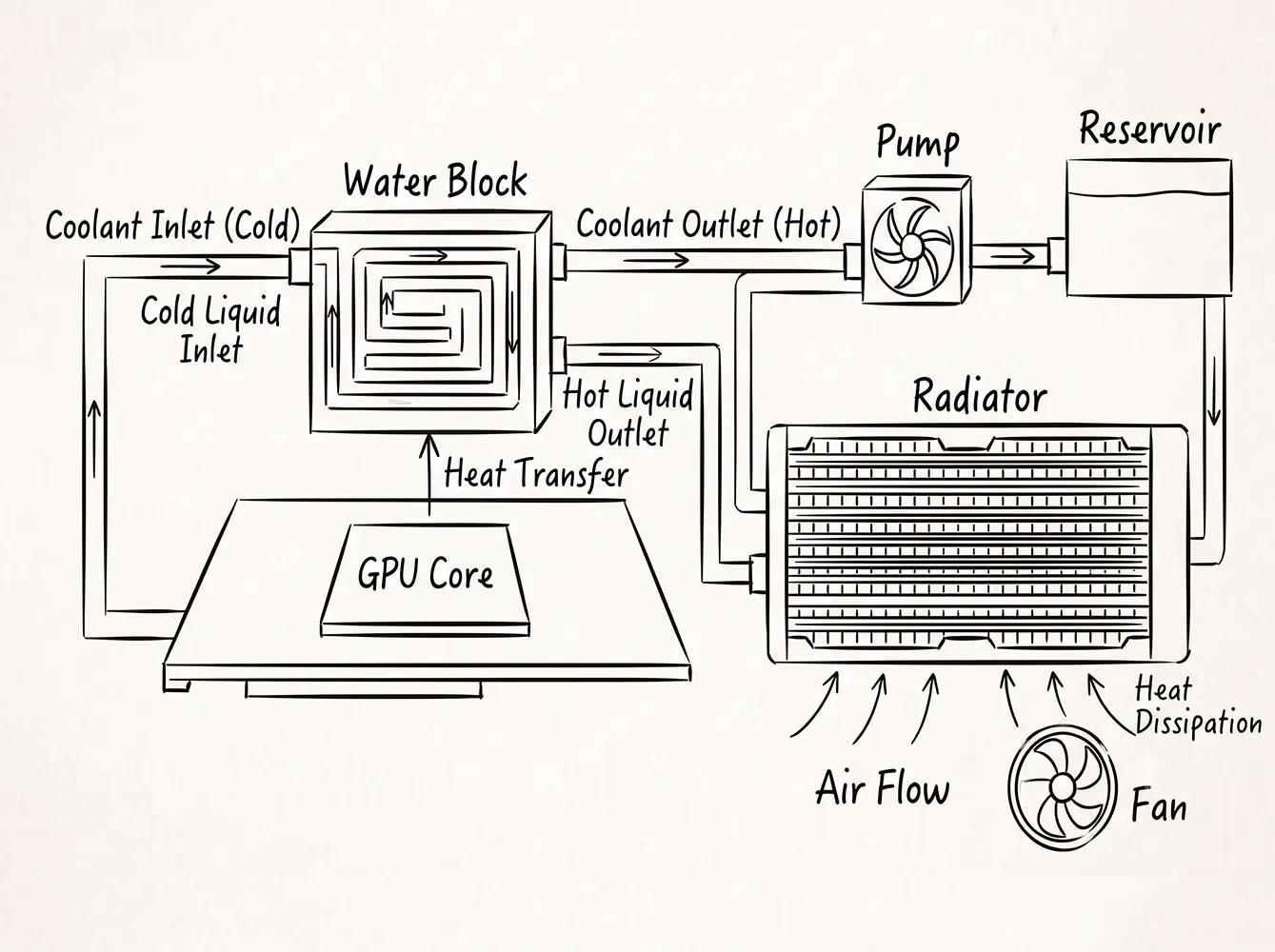
Multidisciplinary Engineering Expertise
Effective thermal management requires more than thermal calculations.
APALTEK integrates multiple engineering disciplines to optimize cooling performance, structural design, manufacturability and long-term reliability.
Thermal Engineering
Heat load evaluation and thermal architecture development.
Fluid Engineering
Coolant flow optimization and pressure drop control.
Mechanical Design
Compact and manufacturable structural design.
Simulation
Thermal and CFD simulation for design optimization.
Prototype Development
Rapid prototype development for engineering validation.
Design Optimization
Continuous improvement based on engineering feedback.
Optimizing Thermal Performance from the Start
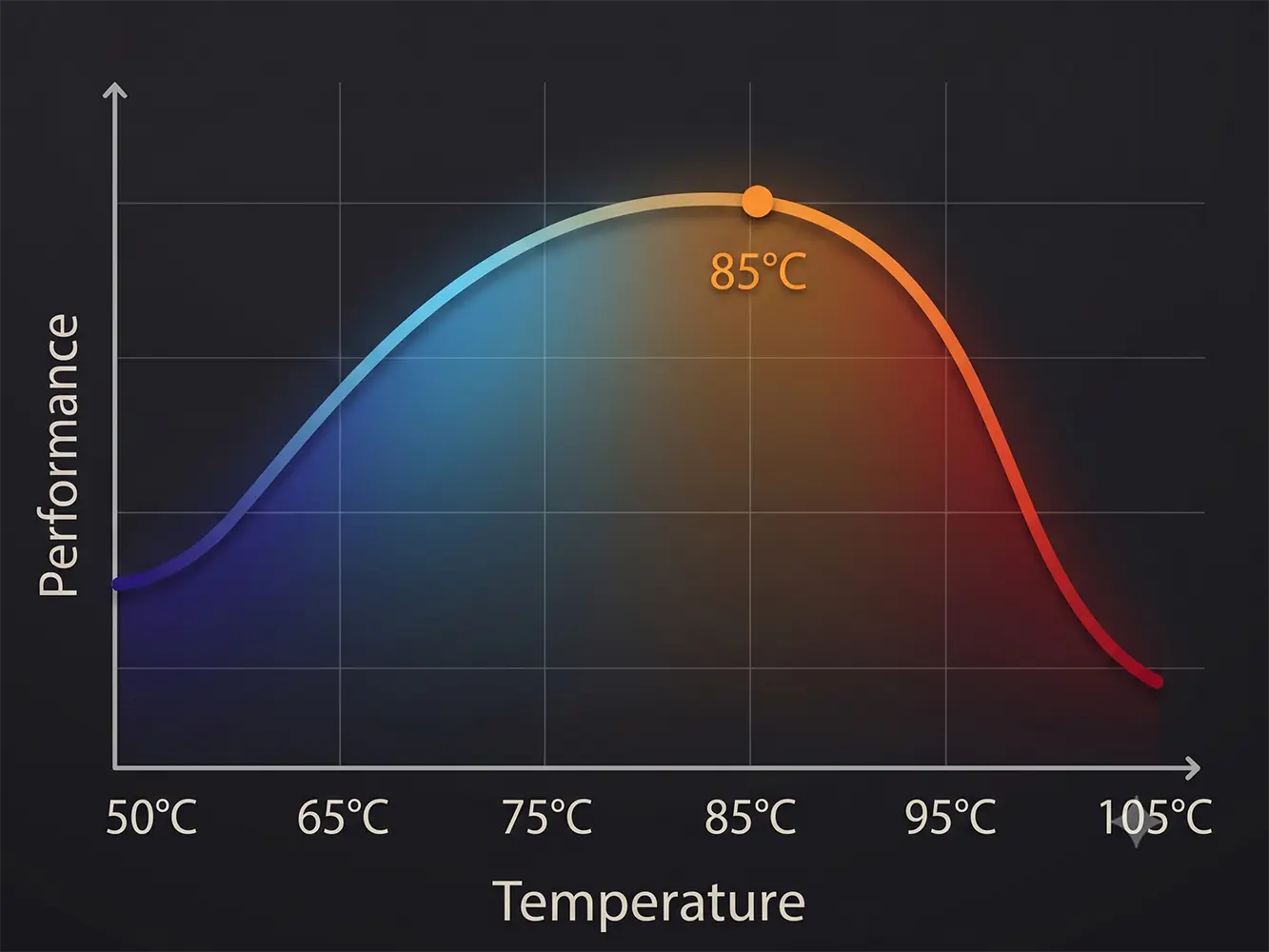
Thermal engineering forms the foundation of every cooling solution.
Our engineers evaluate heat sources, thermal loads, allowable temperatures and cooling strategies to establish the most suitable thermal architecture for each application.
- Heat Load Analysis
- Temperature Distribution
- Thermal Resistance
- Cooling Architecture
- Temperature Uniformity
Engineering Decisions Supported by Simulation
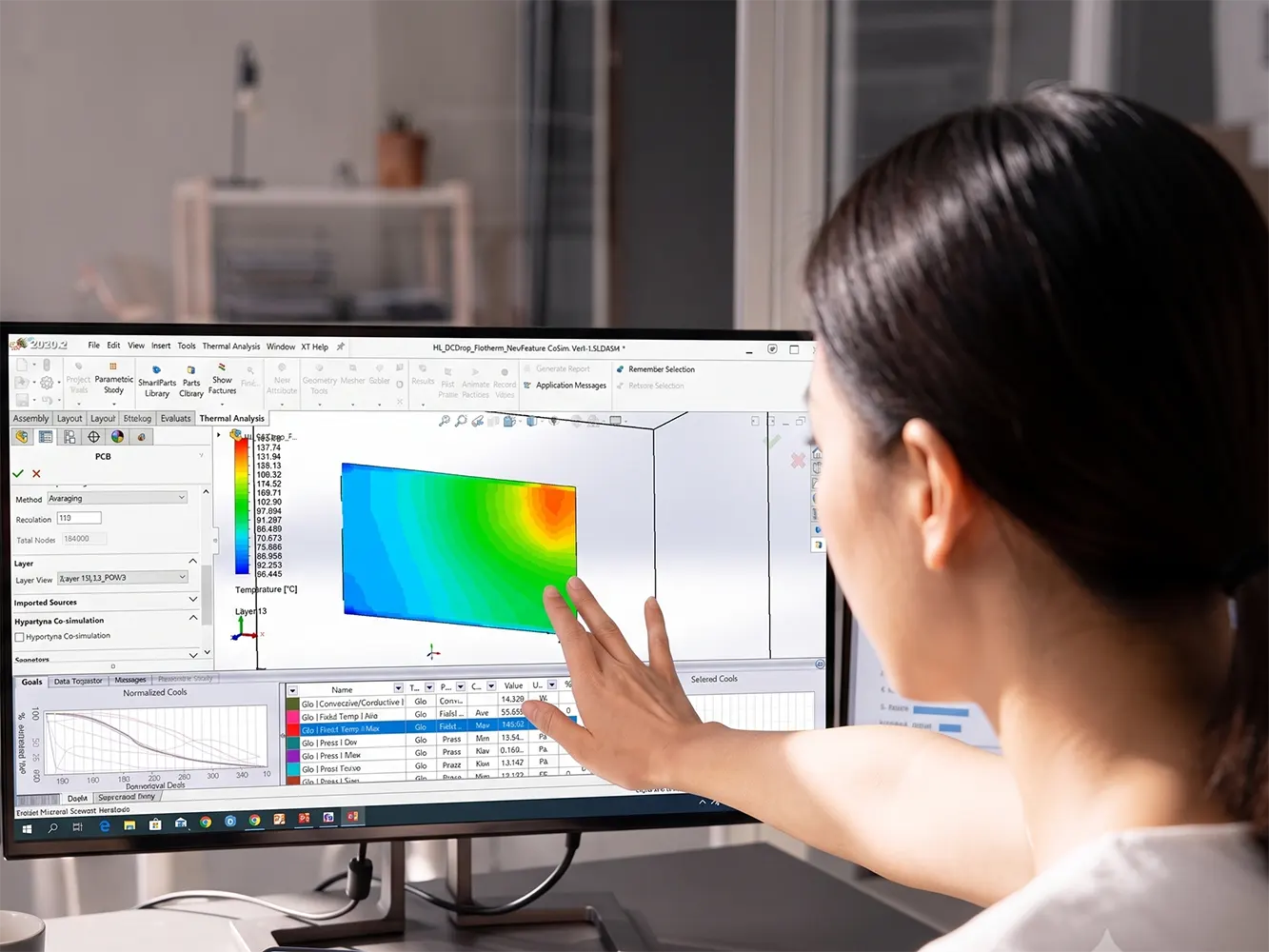
Thermal and computational fluid dynamics simulations are used to evaluate coolant distribution, flow behaviour, pressure drop and temperature distribution before prototype development.
Simulation helps reduce design iterations and improve engineering efficiency.
- CFD Simulation
- Temperature Field
- Flow Distribution
- Pressure Drop
- Design Optimization
Mechanical Design for Performance and Manufacturability
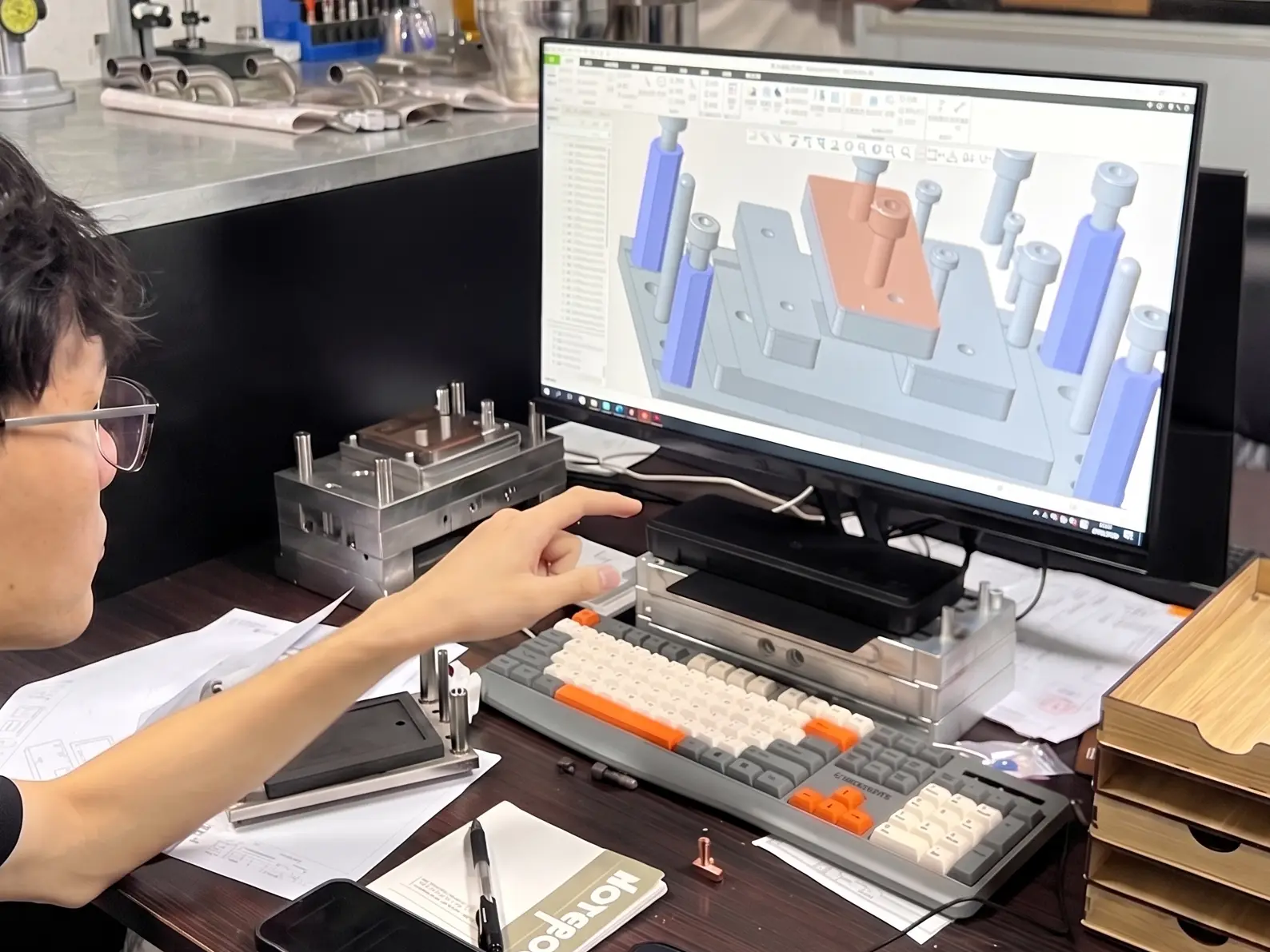
Mechanical design balances thermal performance, structural integrity, manufacturing processes and installation requirements.
Each design is optimized for production feasibility while maintaining reliable cooling performance.
- Compact Structure
- Flow Channel Design
- Material Selection
- Installation Interface
- Design for Manufacturing
Rapid Prototype Development and Iterative Optimization
Engineering prototypes allow design concepts to be evaluated through physical testing before production.
Prototype feedback supports continuous optimization and improves product readiness for manufacturing.
- CFD Simulation
- Temperature Field
- Flow Distribution
- Pressure Drop
- Design Optimization
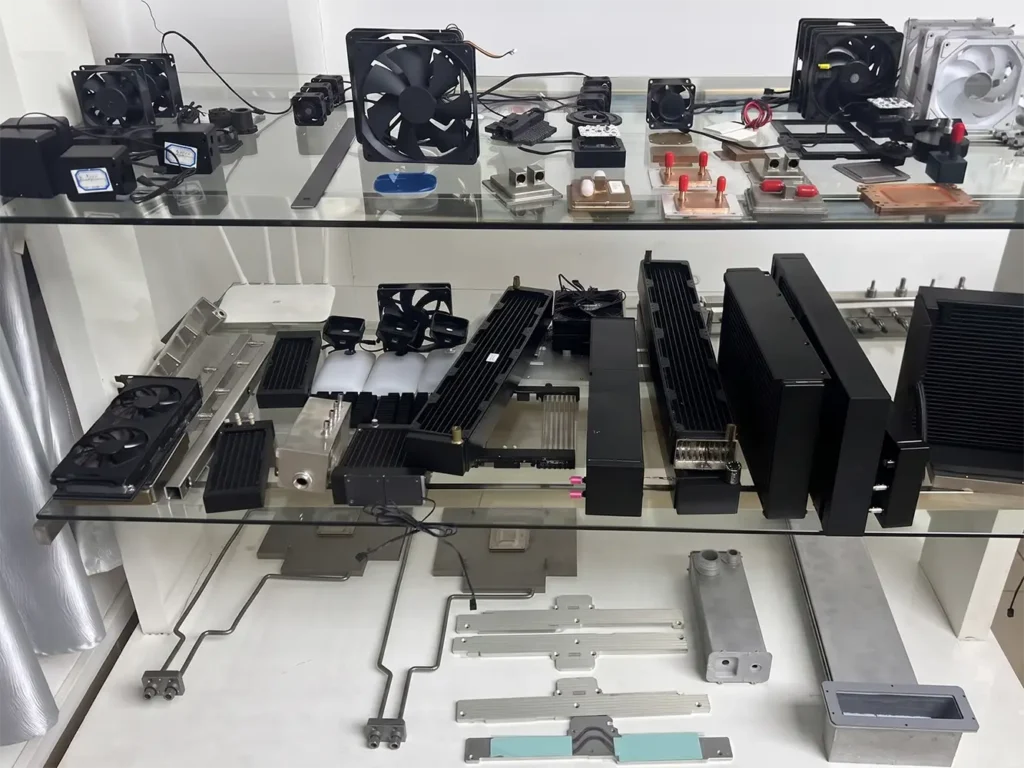
From Engineering Concept to Prototype Validation
Requirement Analysis
Understand application requirements, thermal loads, operating conditions and installation constraints to establish clear engineering objectives.
Thermal Engineering
Develop the thermal architecture by evaluating heat sources, cooling strategies and temperature targets for optimal system performance.
Simulation
Use thermal and CFD simulations to evaluate temperature distribution, coolant flow and design feasibility before prototype development.
Mechanical Design
Design product structures, flow channels and interfaces while balancing thermal performance, manufacturability and system integration.
Prototype Development
Build engineering prototypes for functional verification, design evaluation and iterative refinement before production.
Engineering Optimization
Refine the design based on validation results to improve performance, reliability and manufacturing readiness.
Let's Develop Your Next Cooling Solution Together
Whether you are developing a new product or optimizing an existing system, APALTEK’s engineering team is ready to support your project from concept through prototype development.