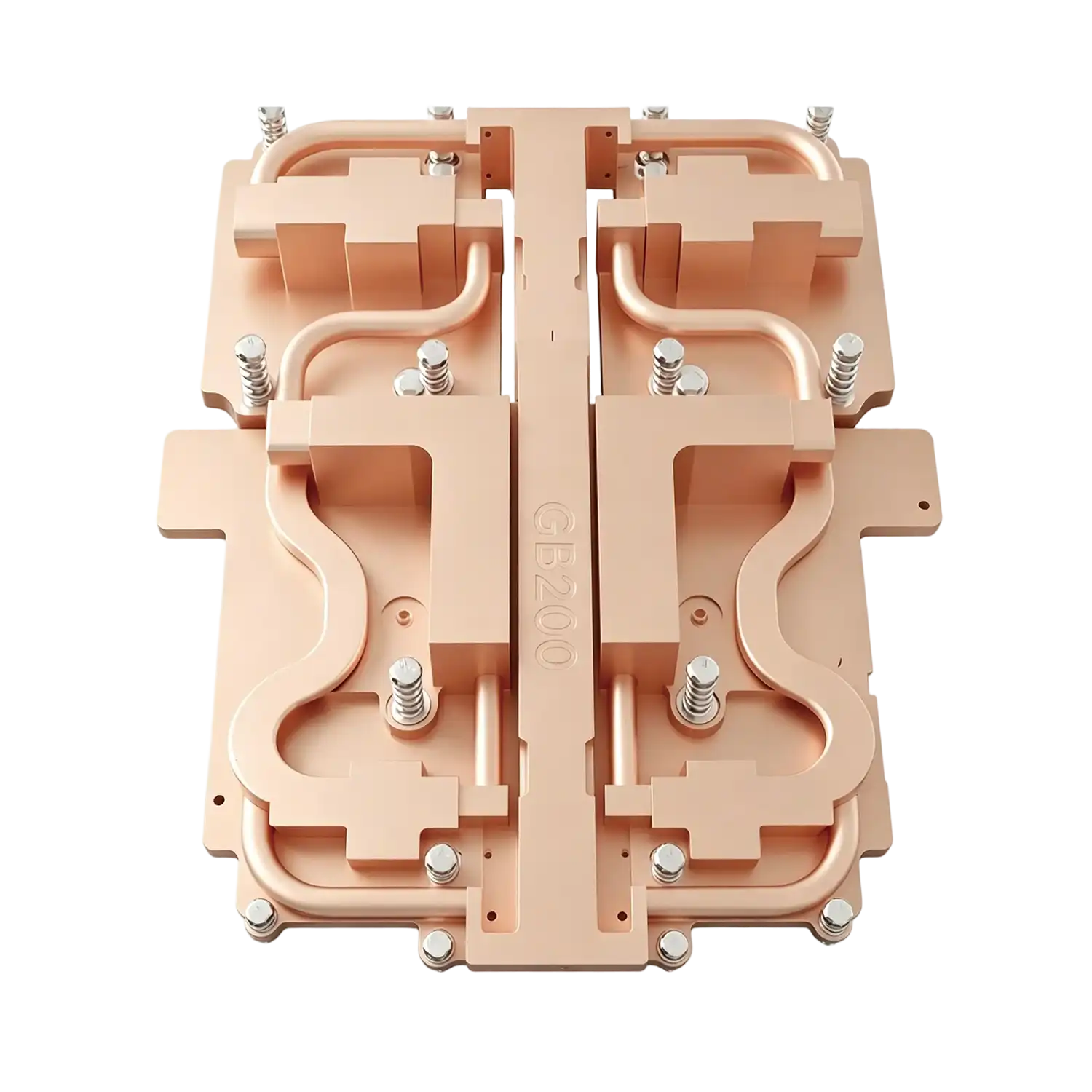
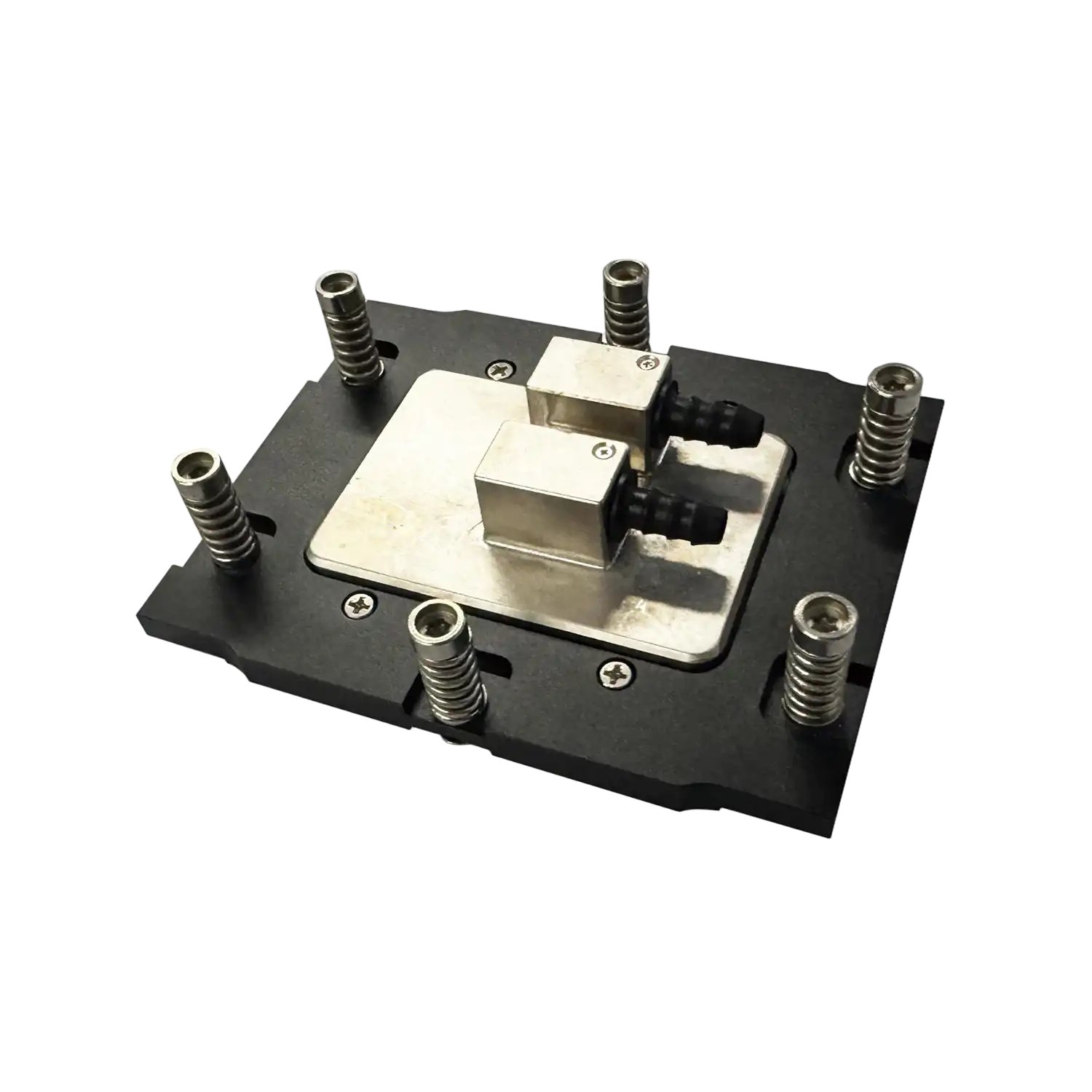
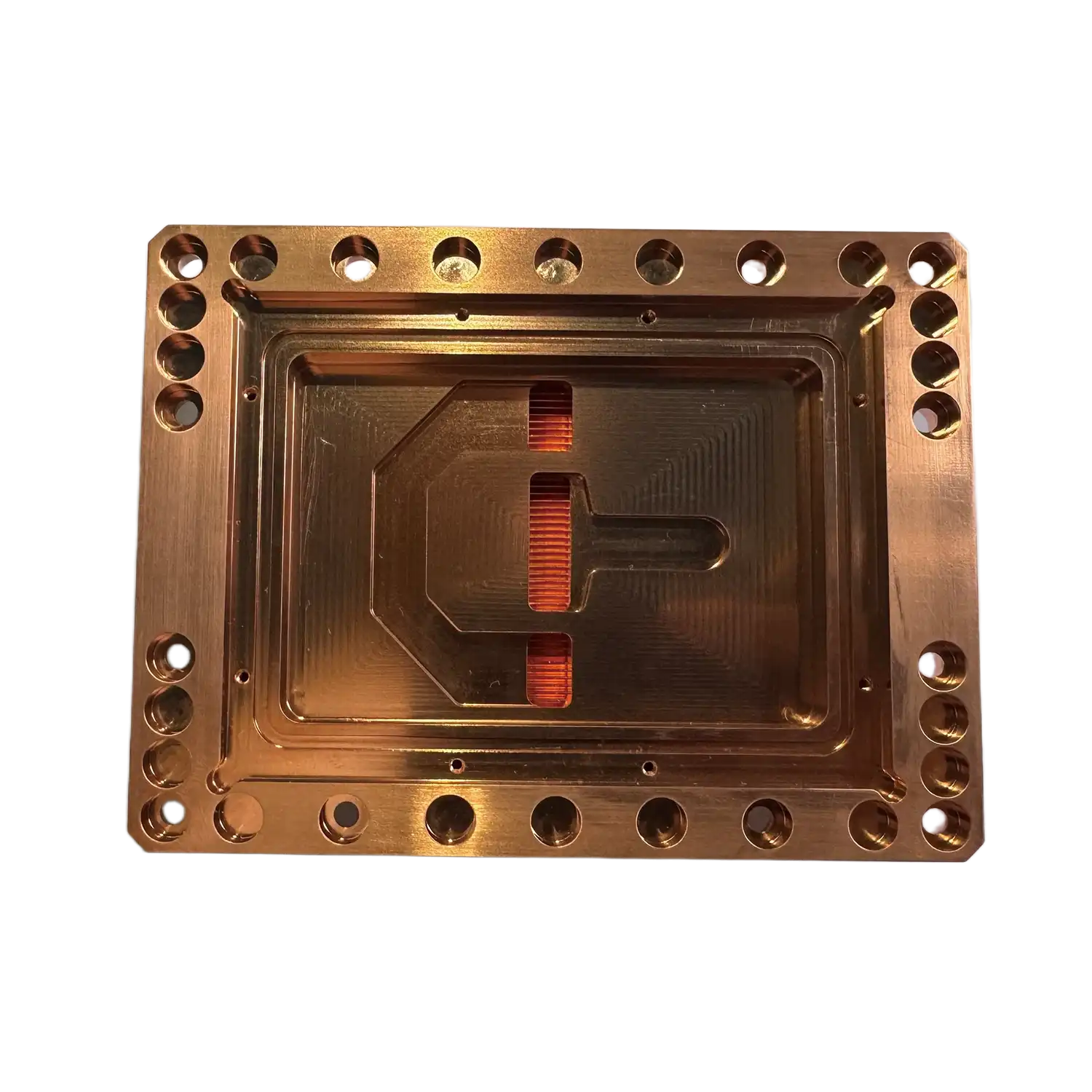
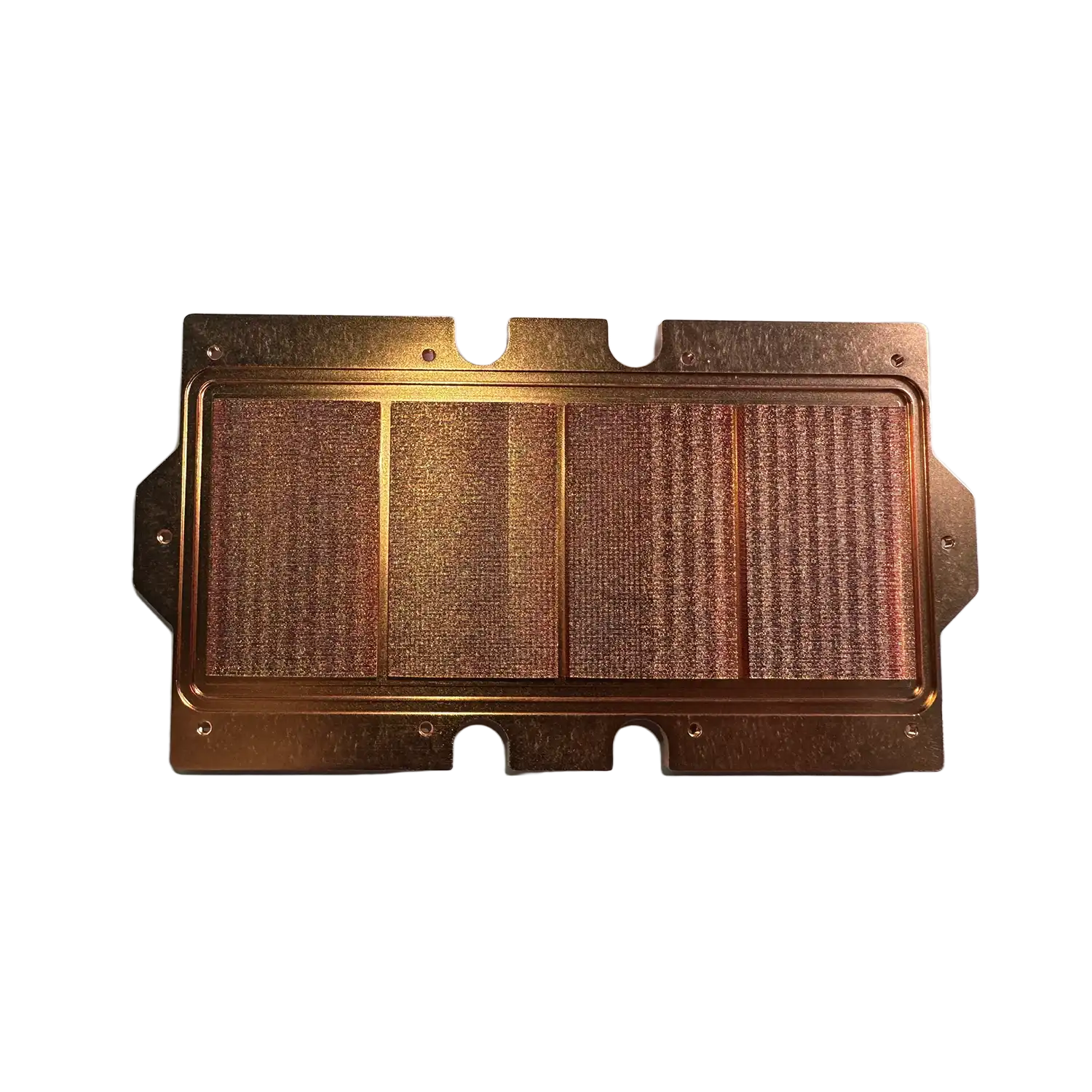
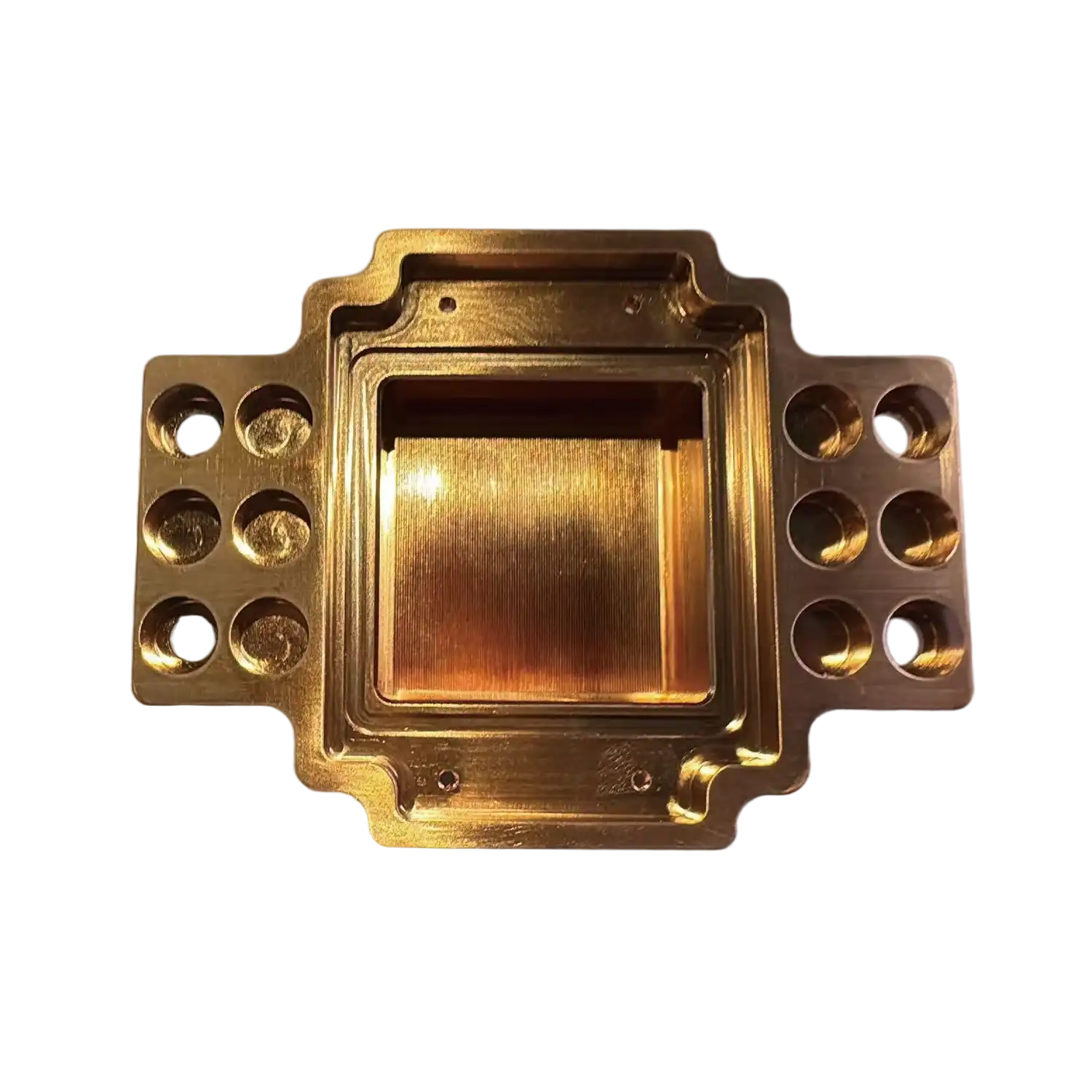
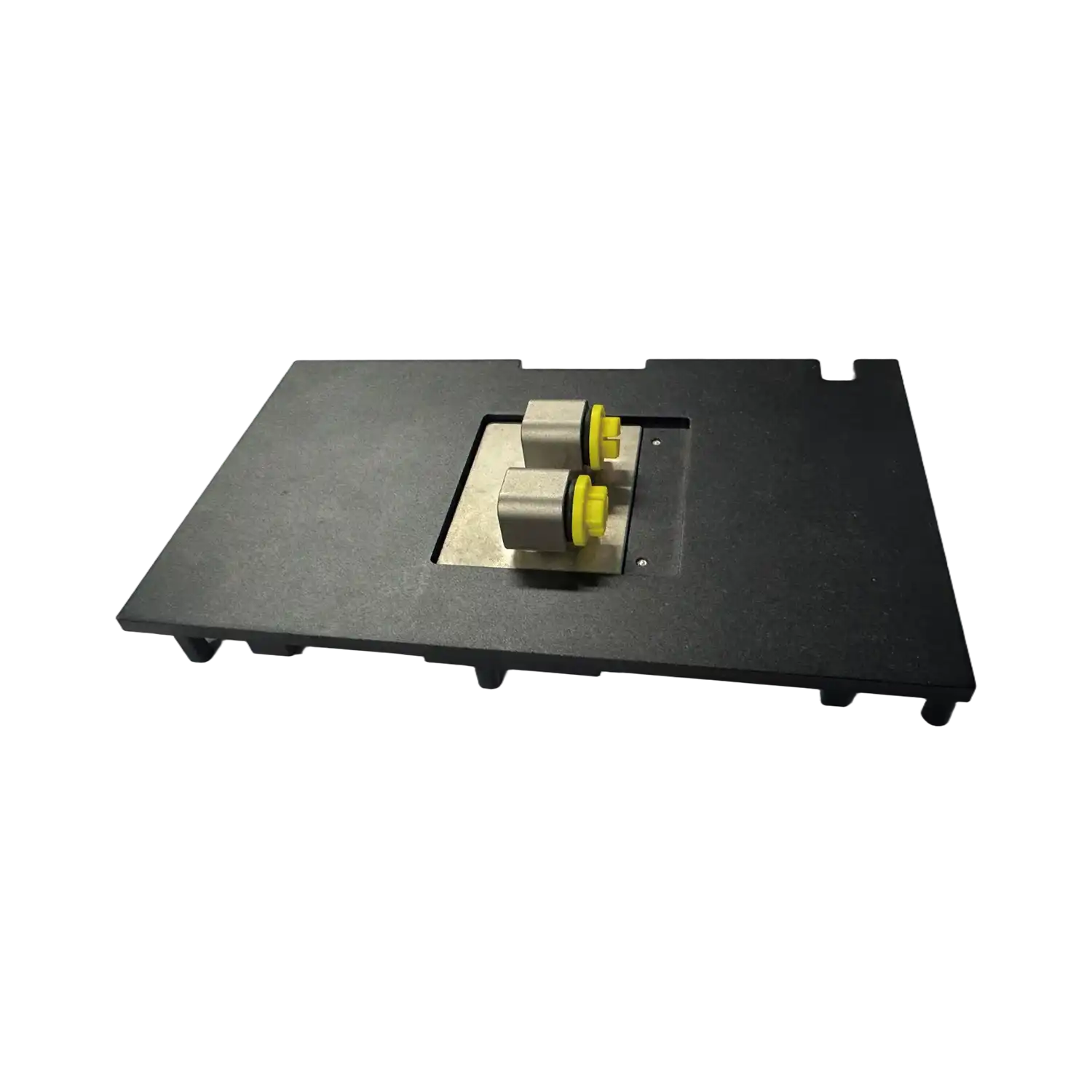
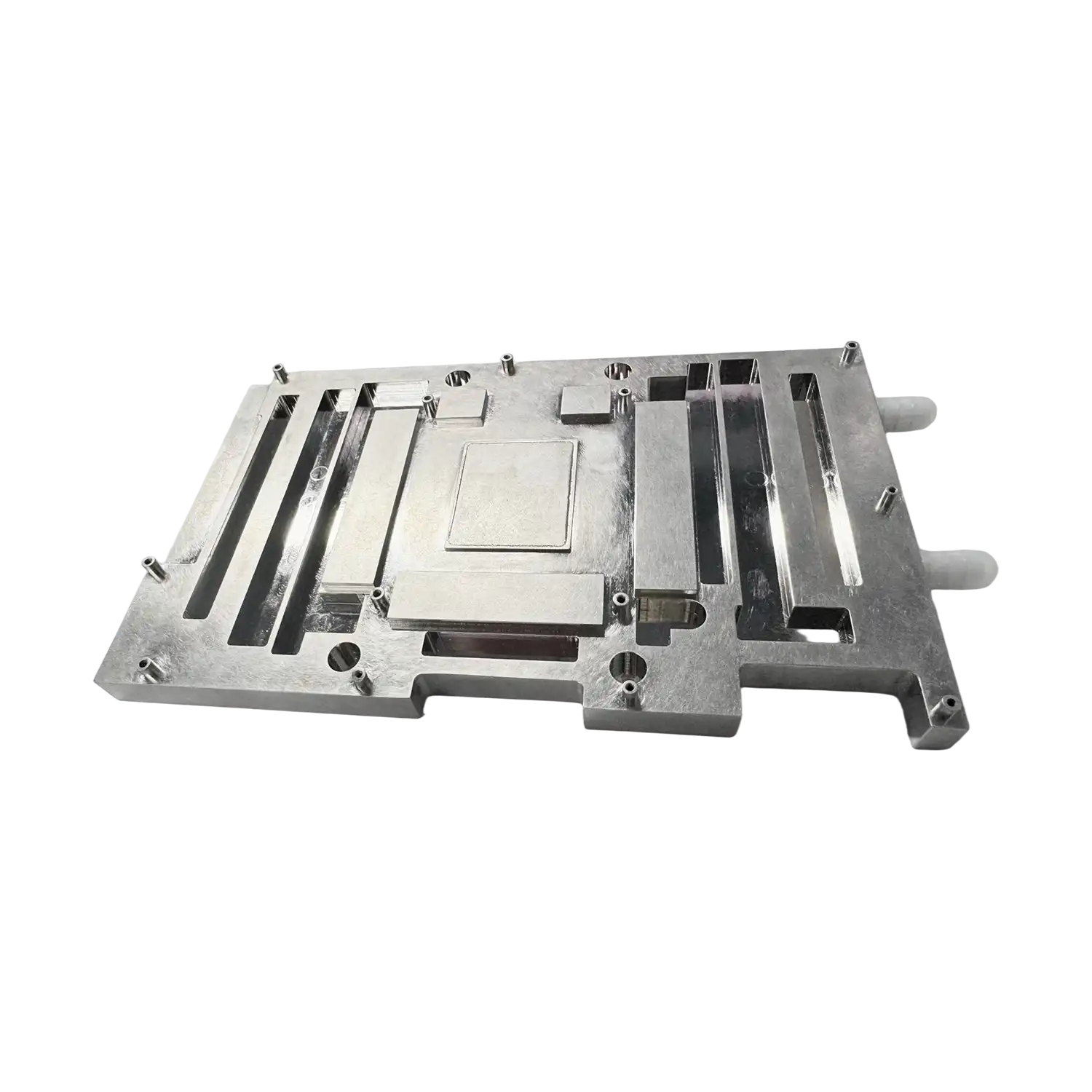
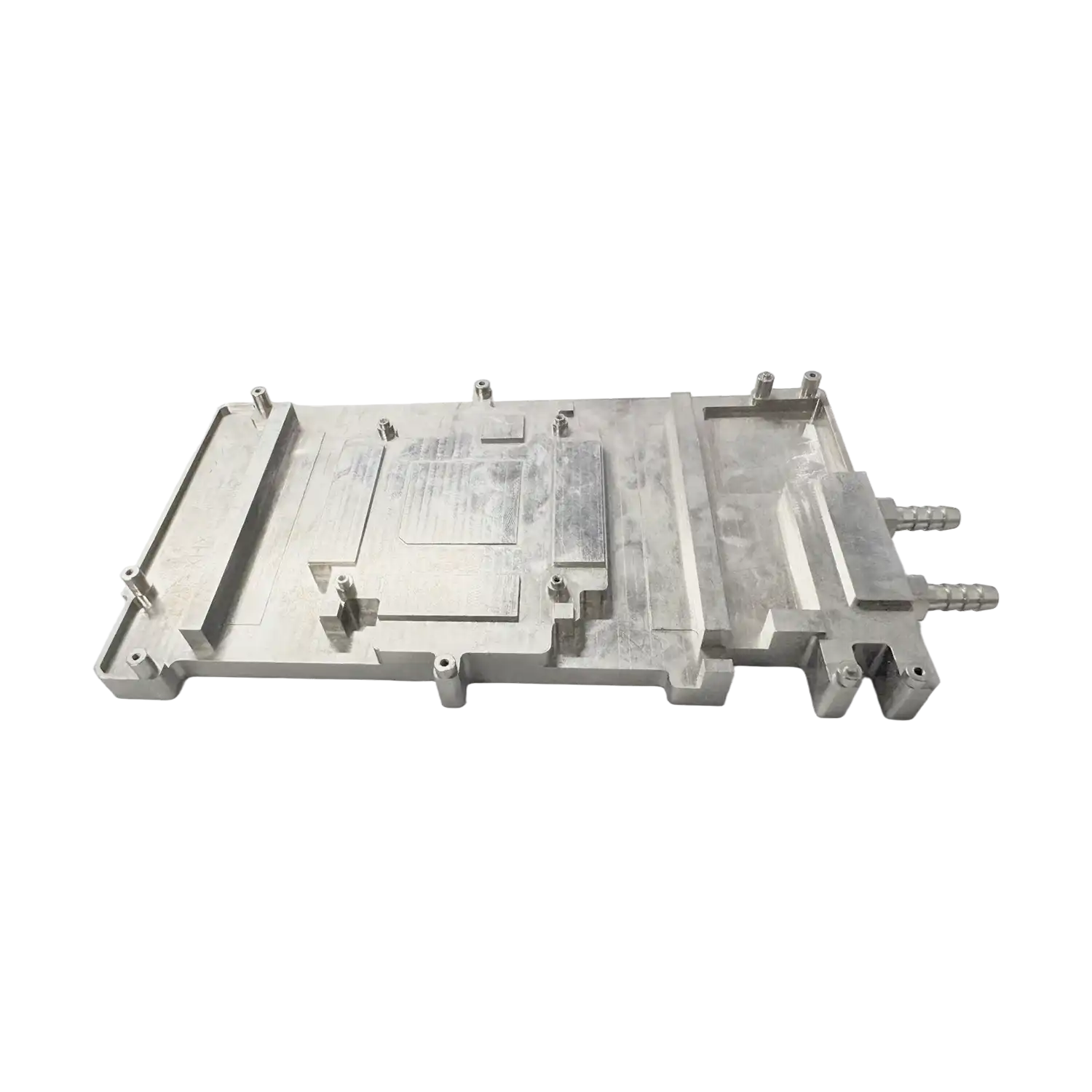
Engineered liquid cold plates for AI servers, GPUs, data centers and industrial electronics — built to your drawings, from prototype to volume production.
STEP or 2D drawings welcome. Our engineers reply within 1 business day.
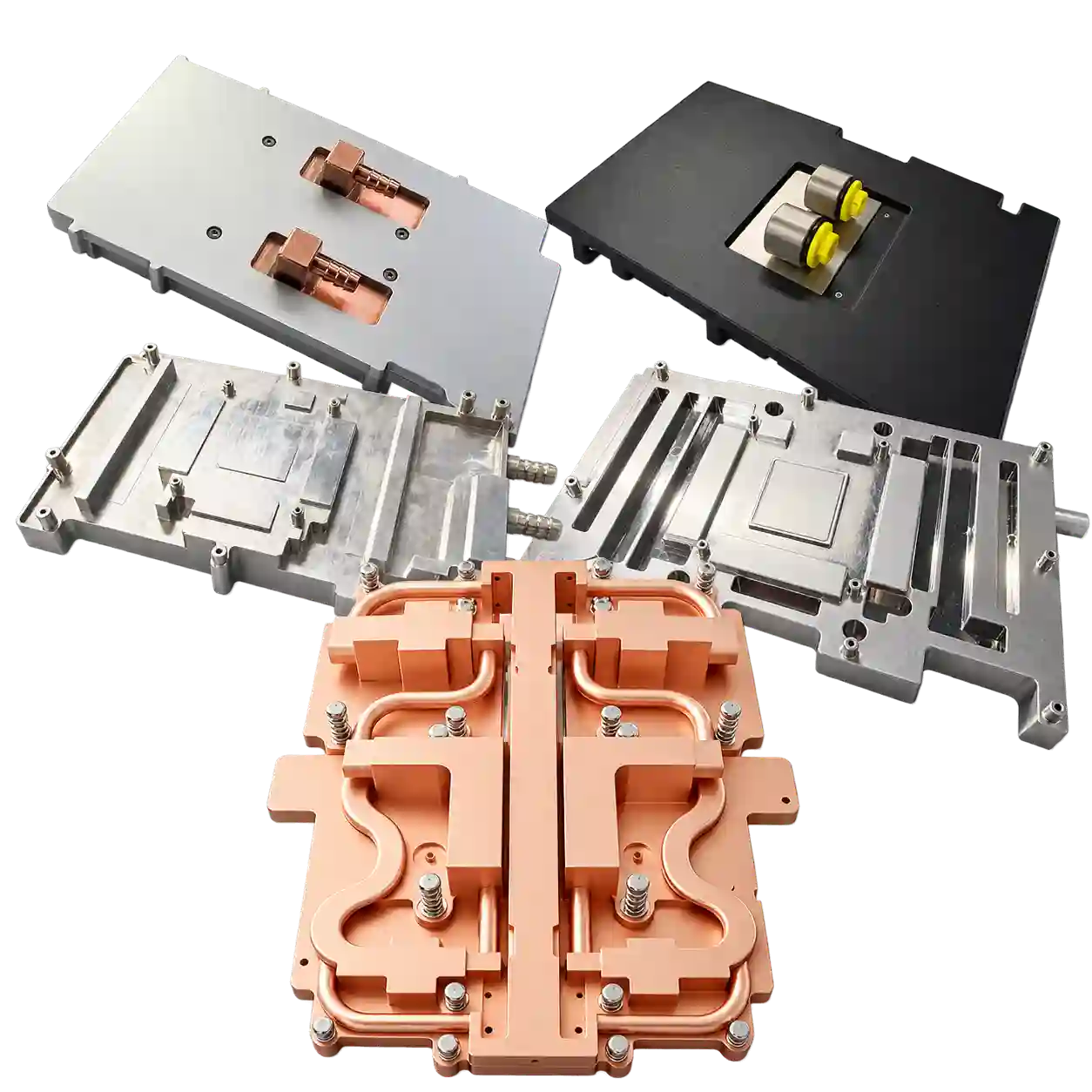
Browse reference designs by application and construction. Product suitability depends on your device, mounting layout and thermal requirements. Our team can also review custom drawings
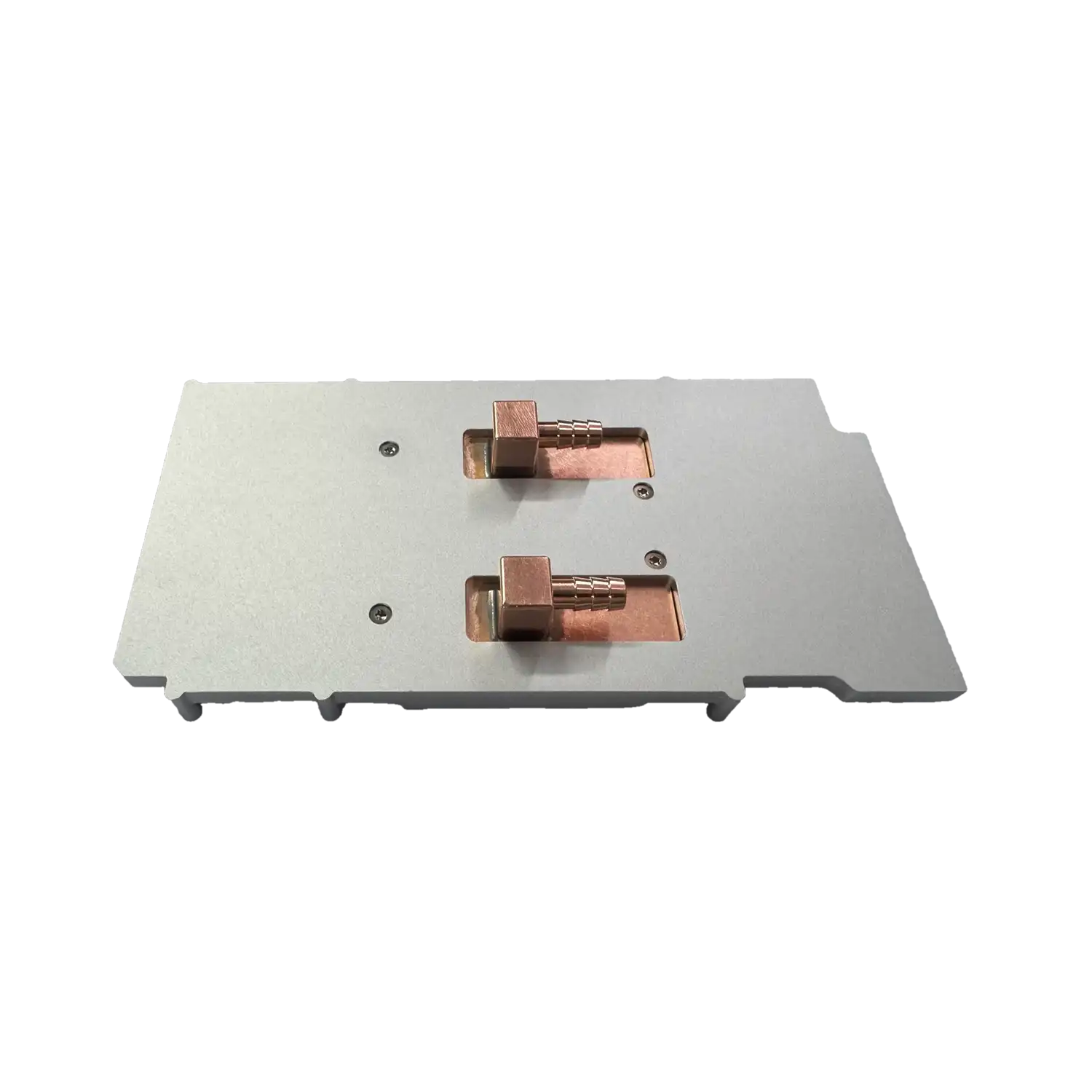
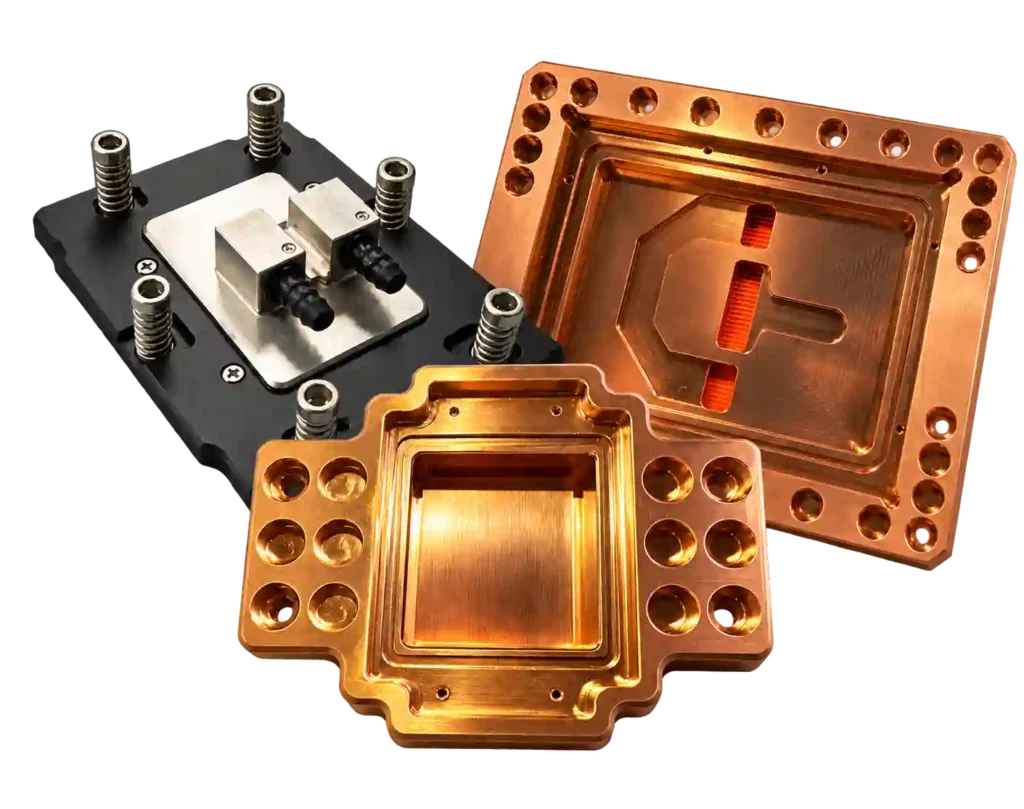
To quote a cold plate accurately, we need three things: the thermal requirements, the hydraulic conditions, and the mechanical constraints. Please send as much of the following as you have:
If some data isn’t finalized yet, send what you have. Our engineers will work through the gaps with you.
Yes. APALTEK builds cold plates to customer drawings. Before we quote, our engineering team runs a manufacturability (DFM) review of the drawing. We flag anything that could affect cost, yield, flatness, or leak risk, such as channel geometry that doesn’t suit the joining process, tight tolerances, or port placement. You can have the part built exactly as drawn, or ask us to suggest optimizations that improve thermal performance or reduce pressure drop.
Start with an existing design if your device footprint, mounting pattern, heat load, and pressure-drop budget fall within the range of one of our standard cold plates. This is usually the faster, lower-cost route, with no new tooling and a proven structure.
Choose a custom design if you have:
Many projects fall in between. A standard cold plate with modified ports, mounting holes, or dimensions is often the best balance. Share your requirements and our engineers will recommend the right starting point.
Choose a custom design if you have:
Many projects fall in between. A standard cold plate with modified ports, mounting holes, or dimensions is often the best balance. Share your requirements and our engineers will recommend the right starting point.
Validation data depends on the project stage, and typically covers four areas:
If your project has its own qualification plan, such as pressure cycling, thermal cycling, or coolant compatibility tests, share it at the start. We’ll align the test scope and reporting with your requirements.
Before confirming that a cold plate fits your device, we need to confirm:
Share your drawing and project requirements for an engineering review.
Complete the form below and our team will provide a customized quotation based on your project requirements. We’ll get back to you within 1 business day.