
Resources
Explore our latest blogs and technical knowledge covering liquid cooling, AI infrastructure, data center technologies, and thermal management solutions.
Featured Resources

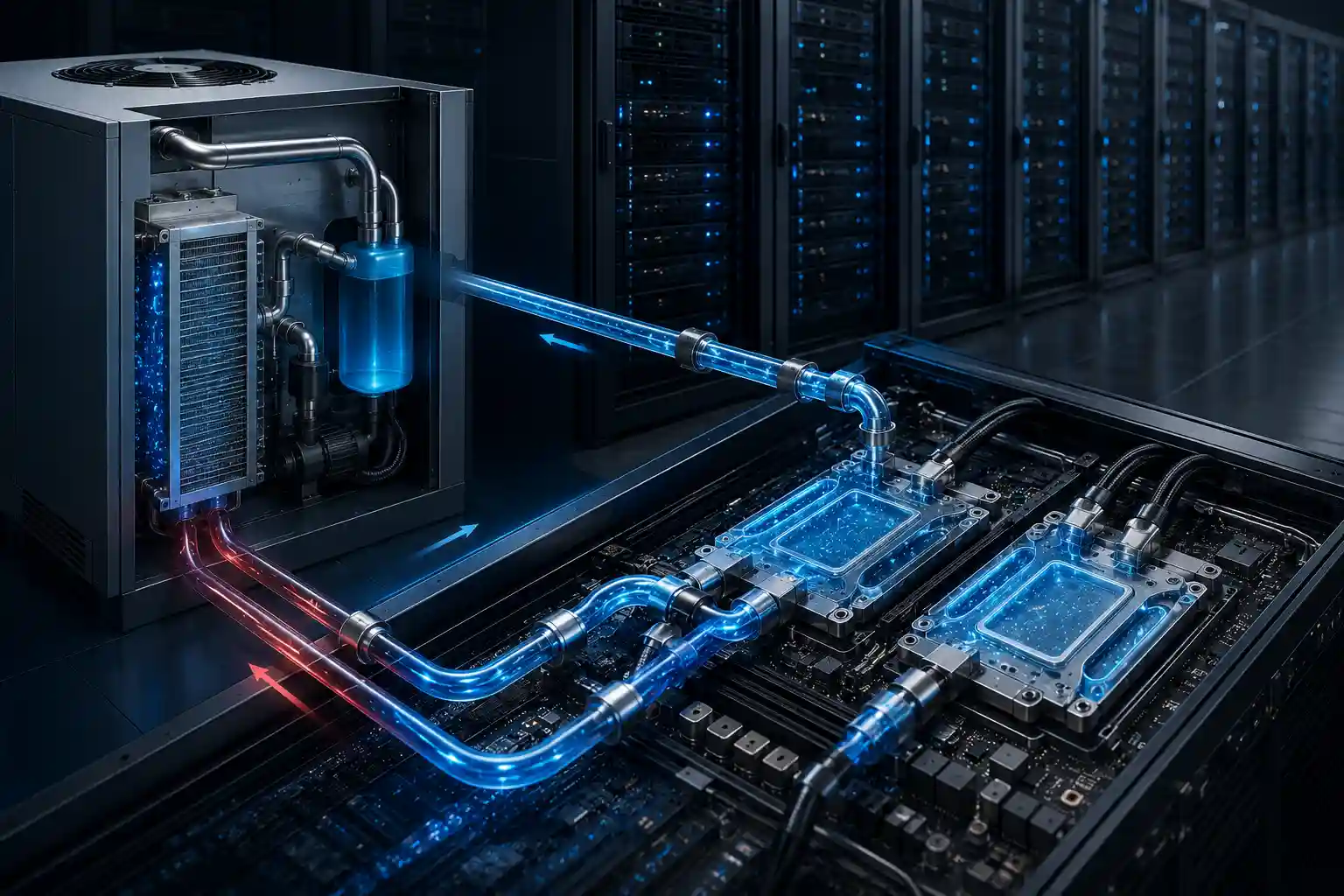
What Is Liquid Cooling? How It Works, Types & Benefits
Liquid cooling is a way of removing heat from electronics by circulating a fluid, usually water or a water-glycol coolant, past the hottest components instead of relying on air alone.
What Is a Cold Plate? How It Works, Types & Applications

What Is Liquid Cooling? How It Works, Types & Benefits
Knowledge Center

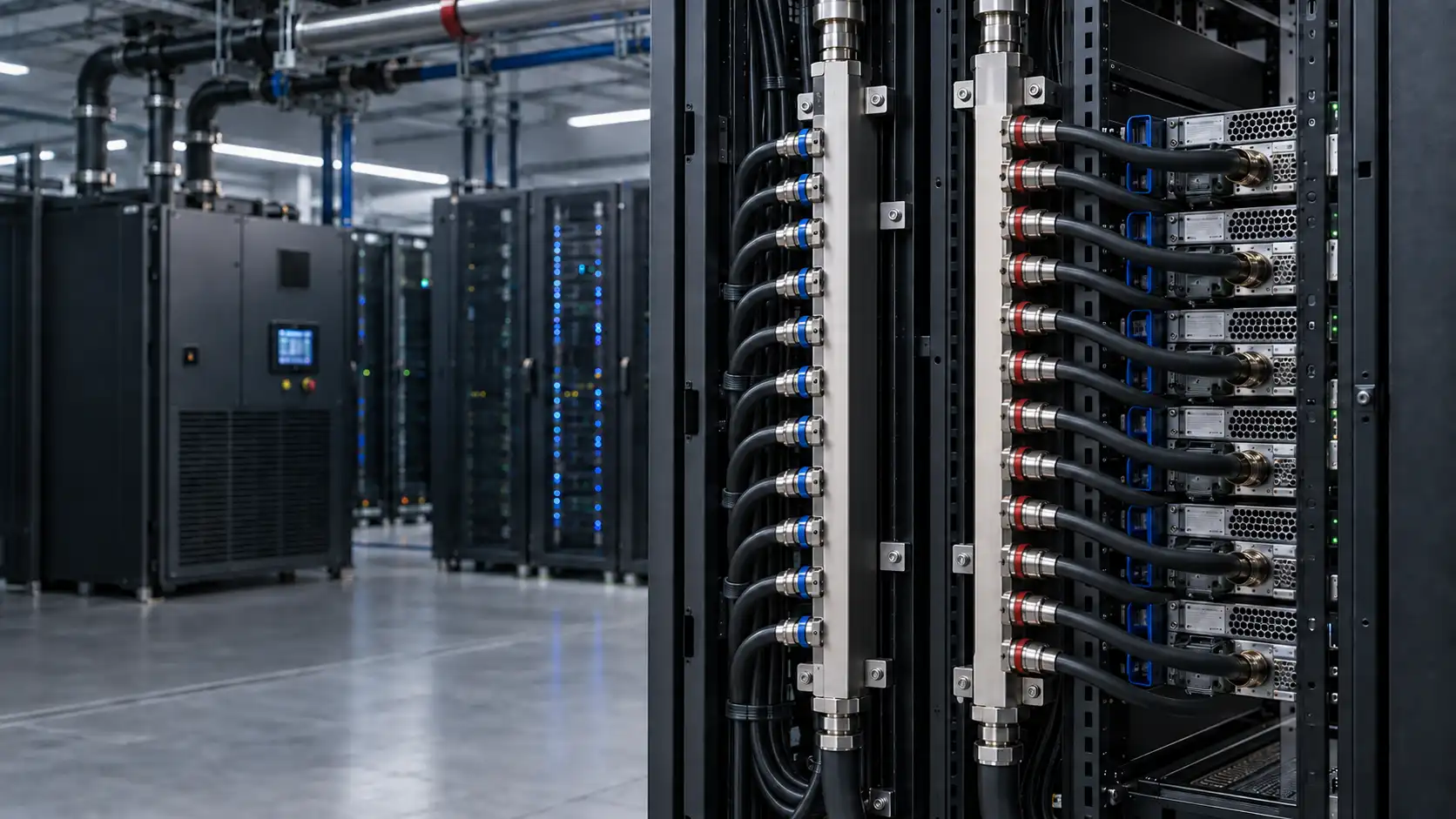
What Is a Liquid Cooling Manifold? A Complete Guide for Data Center Engineers
Over the past two years, AI training and inference clusters have pushed rack power density past what traditional air cooling can handle. Racks running at 50kW, 100kW, or higher are
What Is a Cold Plate? How It Works, Types & Applications
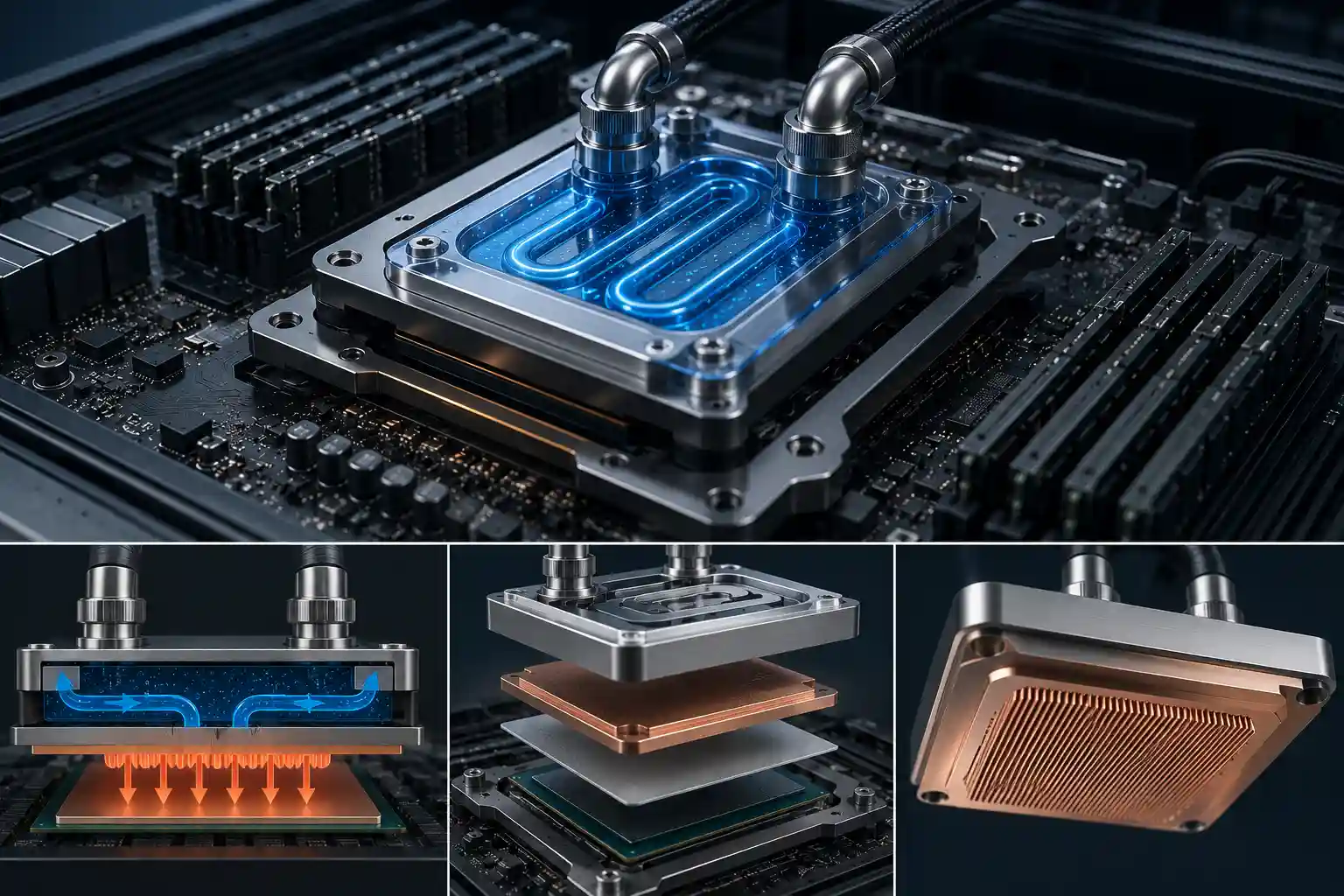
Introduction A cold plate is a liquid-cooled heat exchanger that mounts directly on a heat source, such as a CPU or GPU, an IGBT module, a battery cell, or a
What Is a CDU (Coolant Distribution Unit) in a Data Center?
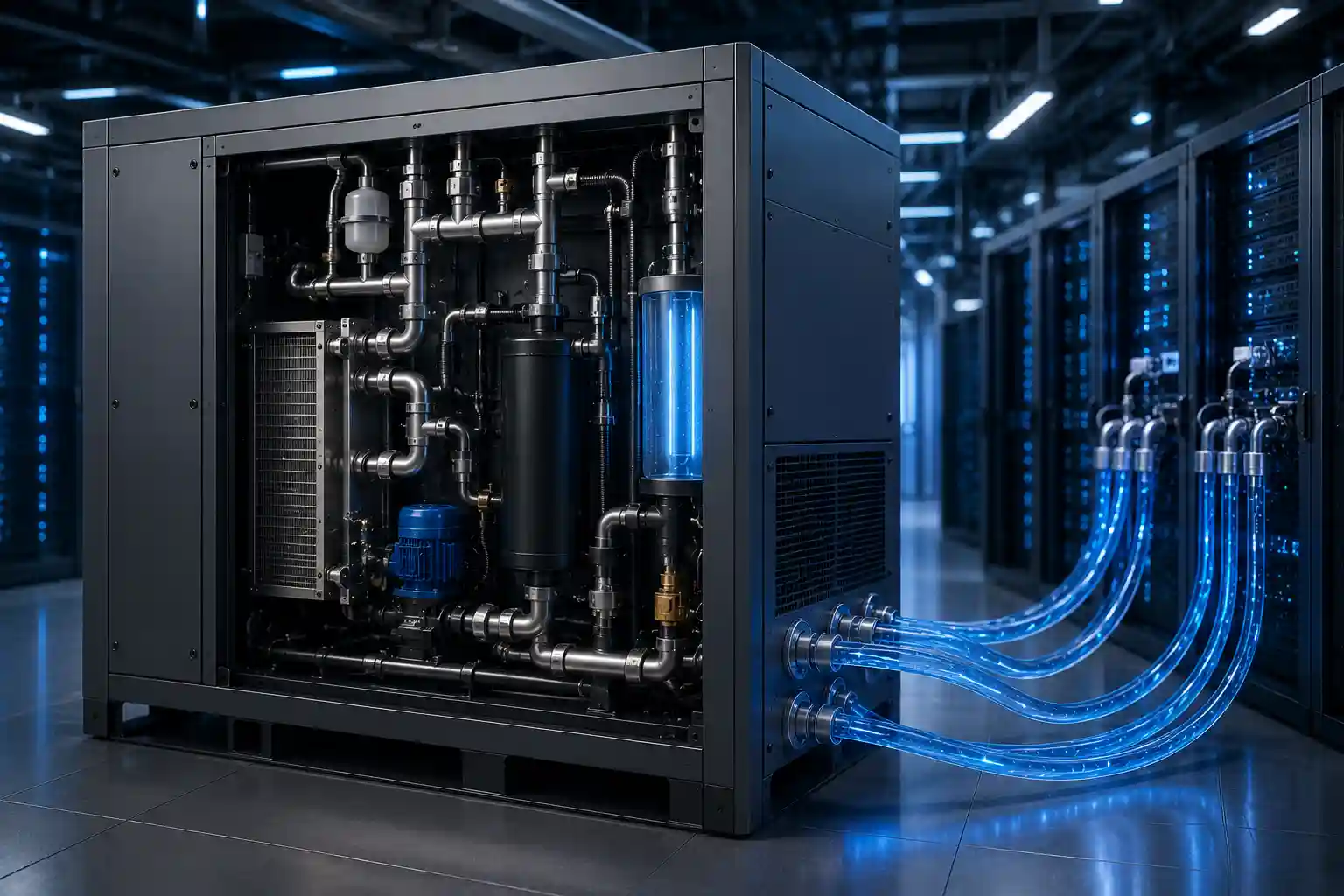
TL;DR: A CDU (Coolant Distribution Unit) is the thermal management device at the heart of a liquid-cooled data center. It sits between the facility’s cooling source and the IT equipment’s

What Is Liquid Cooling? How It Works, Types & Benefits
Liquid cooling is a way of removing heat from electronics by circulating a fluid, usually water or a water-glycol coolant, past the hottest components instead of relying on air alone.
Latest Articles
Introduction When a server, a laser system or an industrial control cabinet outgrows air cooling, the next question sounds simple:…
At the kickoff meeting for a liquid cooling project, the IT integrator says the cooling water has to be filtered…
Most liquid cooling problems don't start with a failure. They start with drift. A filter loads up a little more…
The AI racks have landed. The piping is in, the CDUs are set in place, and the project manager wants…
Ask any buyer or facility engineer evaluating liquid cooling for the first time what worries them most, and you'll usually…
Introduction You've moved from air to liquid. The cold plates are mounted, the CDU is running, and the chips still…
On paper, most liquid cooling designs look fine. The CDU is sized to the rack's total kilowatts, the manifold has…
A cold plate passes its pressure decay test at the factory. Three months after it goes into an AI server…
On most direct-to-chip (D2C) liquid cooling projects, the cold plates and server platform get locked in early. Then the team…
Last updated: November 2026 Most data centers running today were built for air-cooled racks drawing 5–15 kW. A fully loaded…
Every new generation of AI hardware pushes rack power higher, and 50 kW and 100 kW racks are no longer…
Headlines about AI data centers drinking as much water as a small town have become routine, and more than a…
Last updated: October 2026 Two years ago, most data center liquid cooling companies were independent specialists. In 2026, the market…
Last updated: October 2026 Most data center racks don't draw much power. Uptime Institute's 2026 survey puts the typical rack…
AI silicon keeps getting hotter. Mainstream GPUs and accelerators already draw 700 to 1,000 W apiece, the next generation will…
A server CPU cold plate has a simple job: keep the chip below its temperature limit. A laser cold plate…
Introduction Cold plates keep getting better: finer channels, thinner bases, flow aimed right at the hot spots. Yet plenty of…
AI rack power keeps climbing, and cold plate loops keep getting denser. In a typical 8-GPU server, the cold plates,…
Direct-to-Chip Coolant Guide: PG25 vs. Deionized Water, Water Quality and Galvanic Corrosion Control
AI chip power keeps climbing with every generation, and the channels inside direct-to-chip cold plates keep getting finer. Engineers at…
Leading AI accelerators now carry thermal design power ratings above 1,000 W, and a single-phase cold plate has one main…
Ready to Optimize Your Thermal Management?
Whether you’re designing AI servers, high-performance computing systems, or next-generation data centers, our engineering team is ready to help you find the right liquid cooling solution for your application.